Louvre awnings built
for Cape weather
An aluminium roof with blades that tilt for light and air, then lock closed to shed rain. Manual or motorised, made to measure and fitted by our own crews across the Western Cape.
A roof that changes with the day
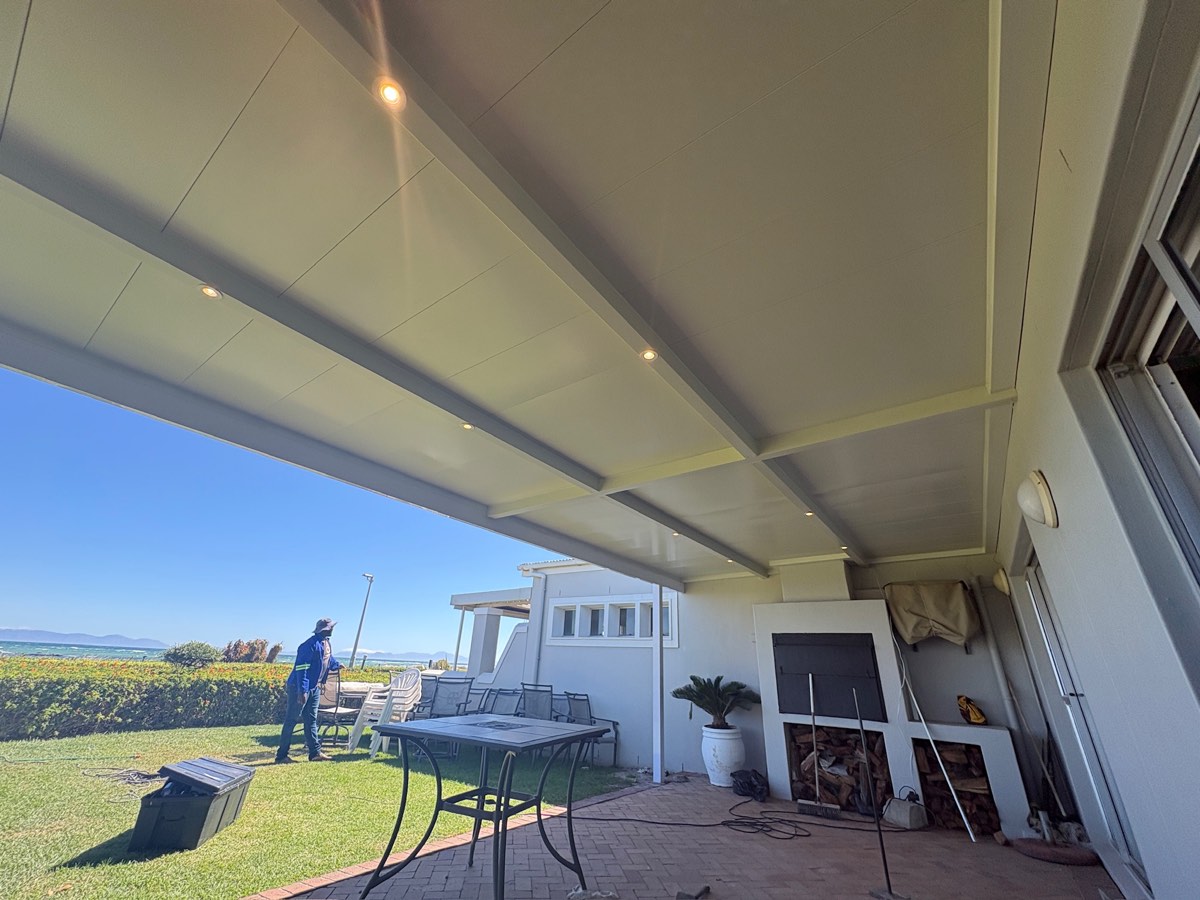
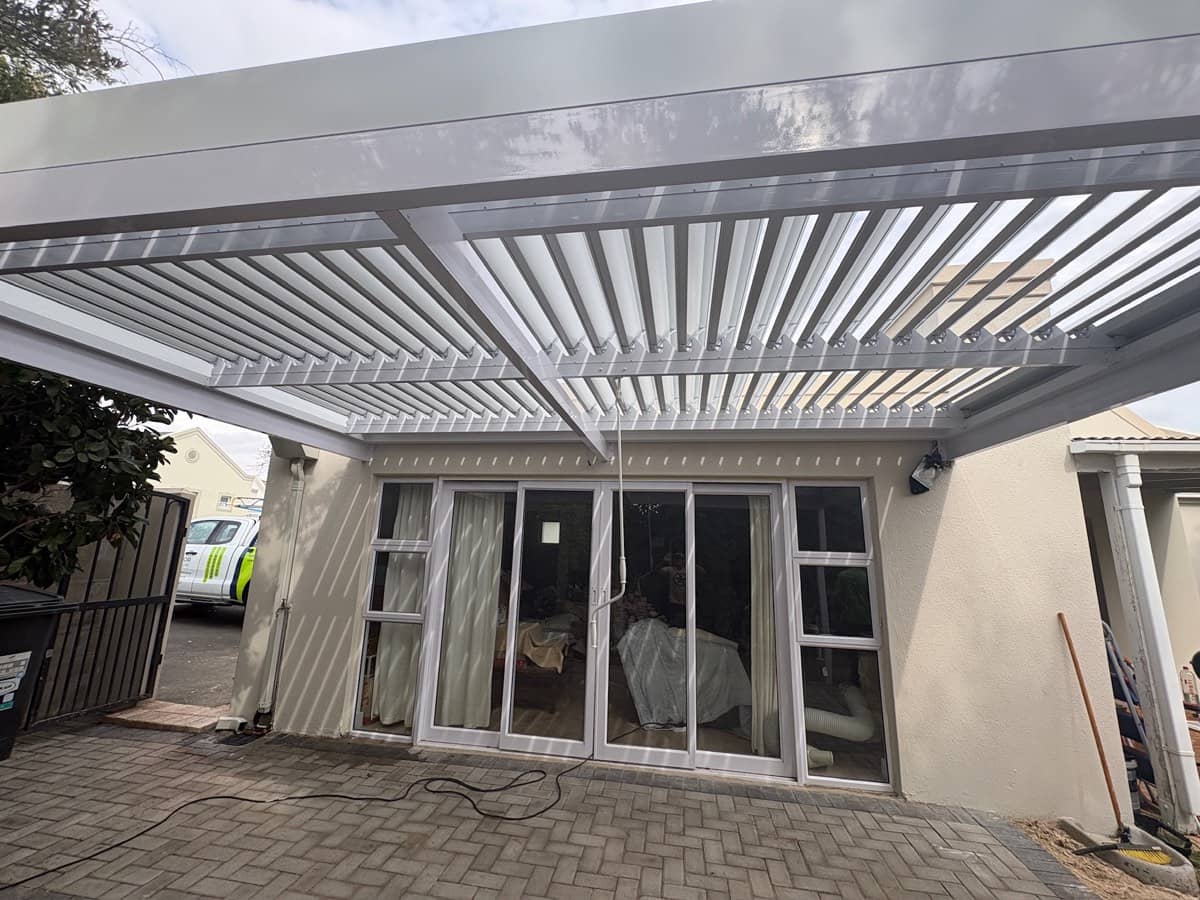
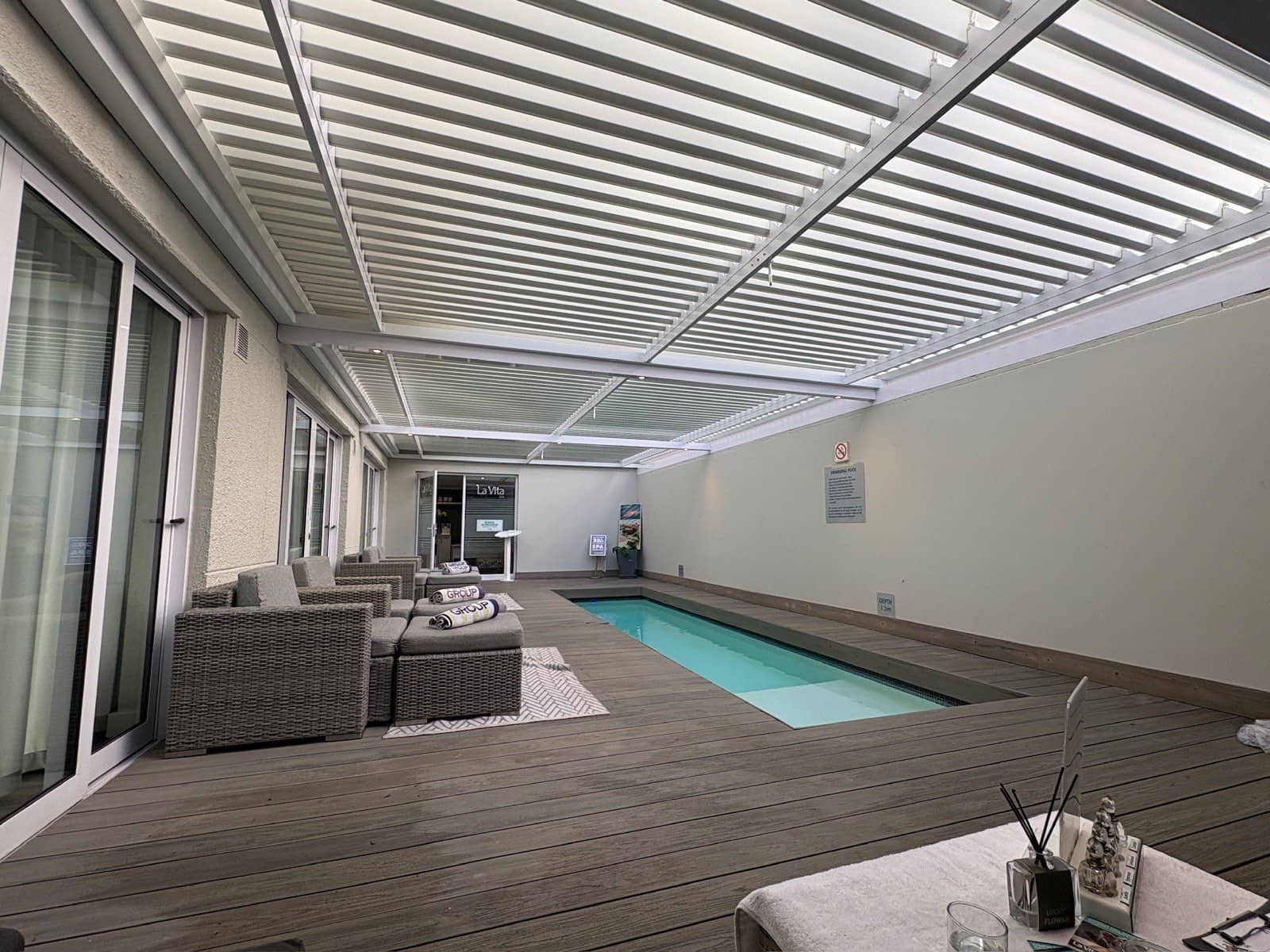
A louvre awning puts a set of rotating aluminium blades over your patio. Tilted open, they let filtered light and moving air through; angled, they follow the sun across the sky; shut, they overlap into a solid surface that drains away through a hidden gutter. No other patio cover gives you all three settings from one structure, and Cape weather asks for all three, from winter cold fronts off the Atlantic to a still, baking afternoon in the Winelands.
Urbanshades builds each awning from marine-grade, powder-coated aluminium with stainless steel fasteners, so nothing in the structure can rust. Your patio is measured, the awning made to measure and the installation carried out by our own crew, never a subcontractor, and a written guarantee is registered to your address once the job is signed off.
Four choices that shape the quote
Every awning is built for its own patio, so treat these as decisions rather than fixed models. Together they set the price and the spec.
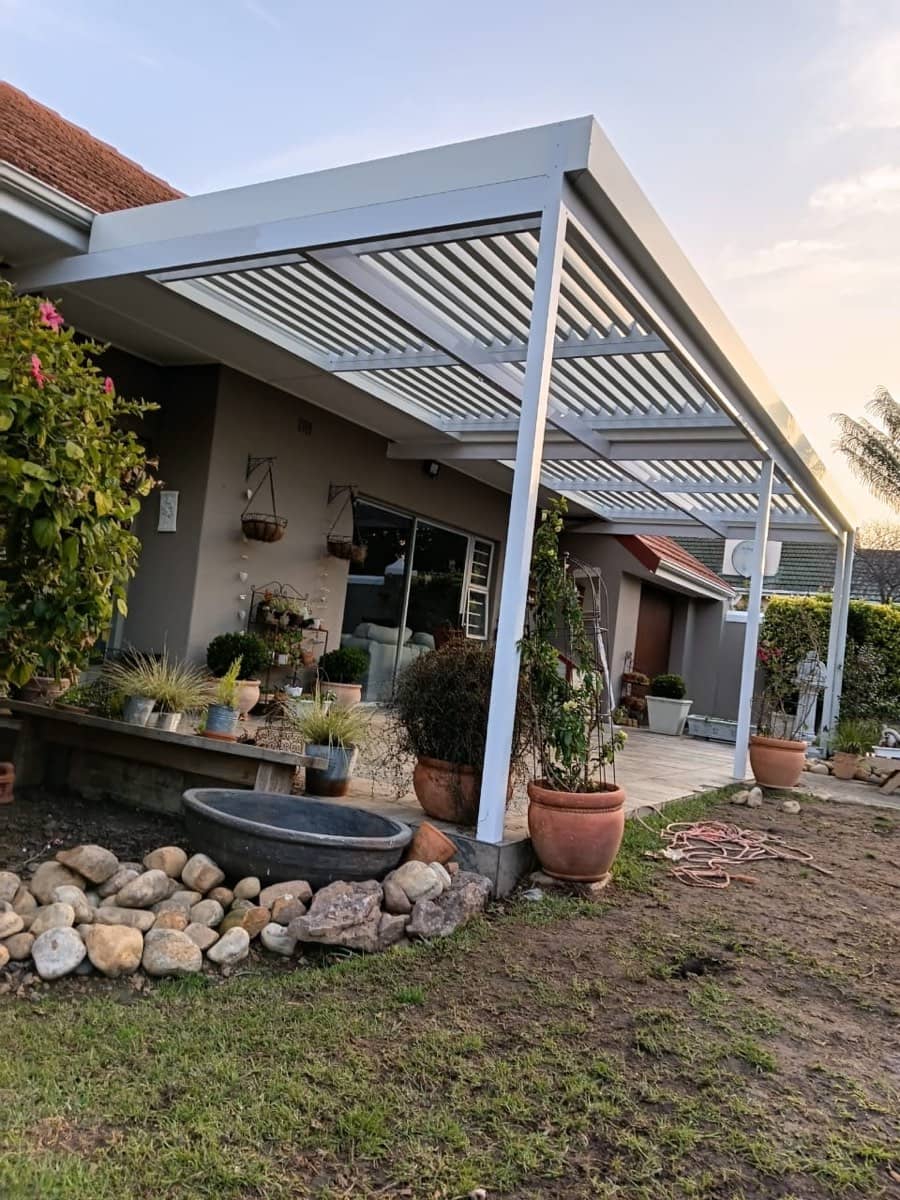
Manual operation
A removable crank handle turns the blades by hand. There is no wiring and nothing to service, and it keeps the cost per square metre down. A sensible fit for compact patios adjusted a few times a day.
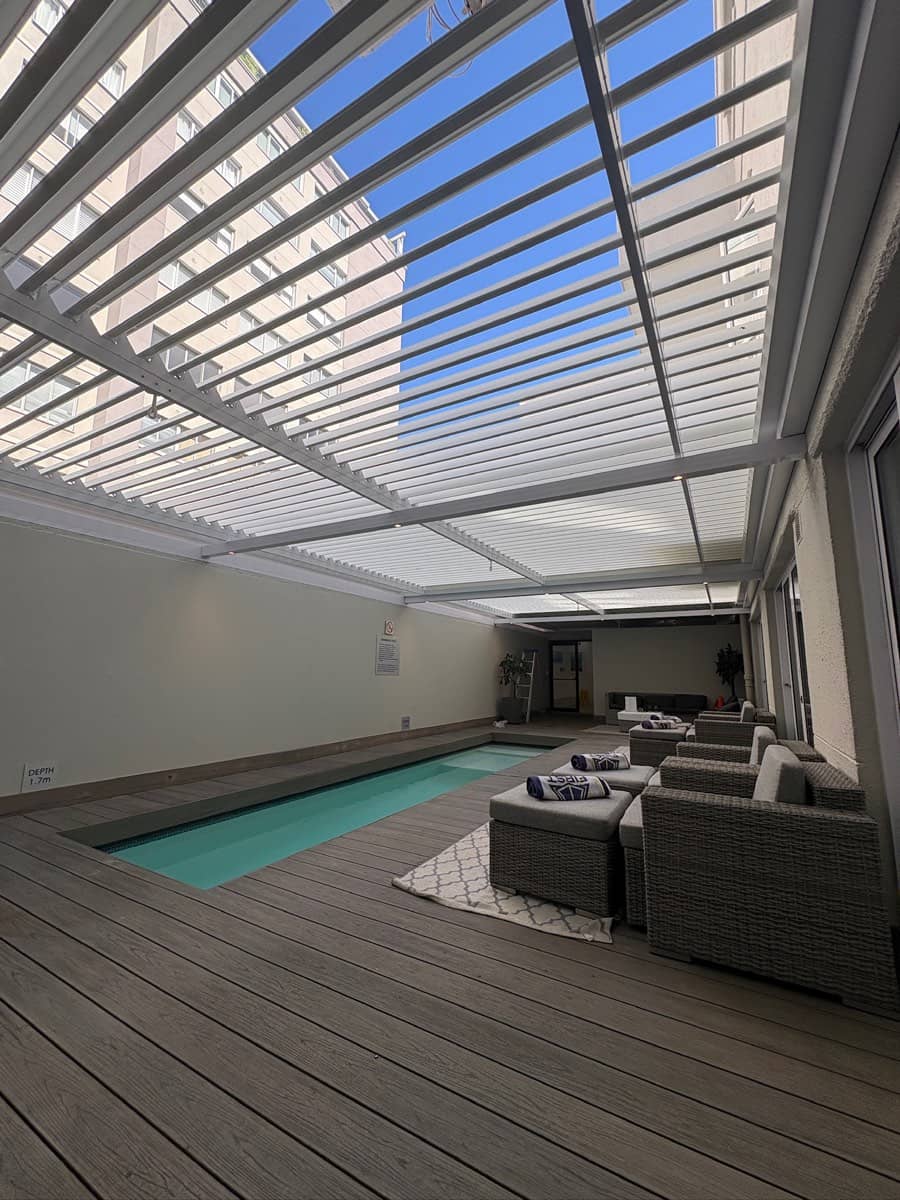
Motorised operation
A remote sets the blade angle, and optional rain and wind sensors shut the roof on their own when the weather turns. All electrics live in IP65-rated housings built for life outdoors.
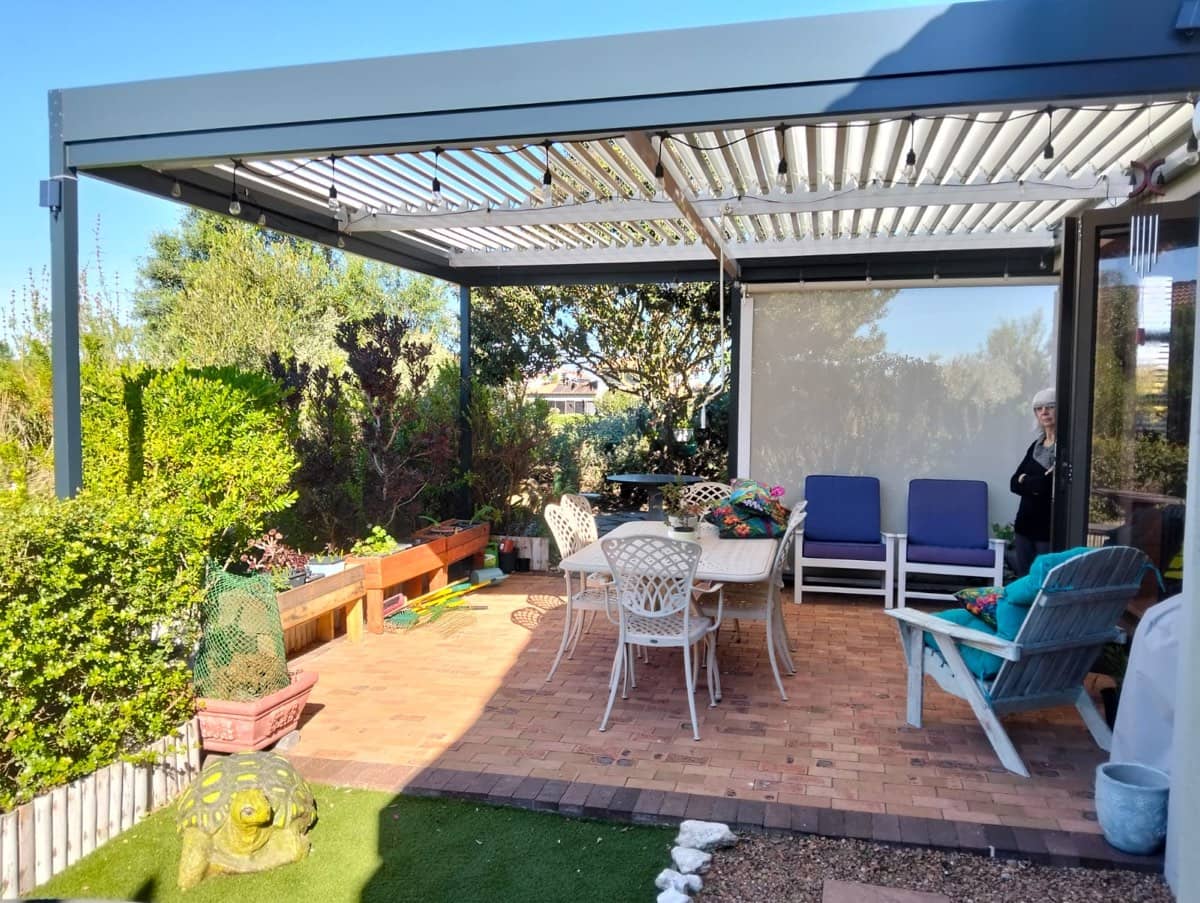
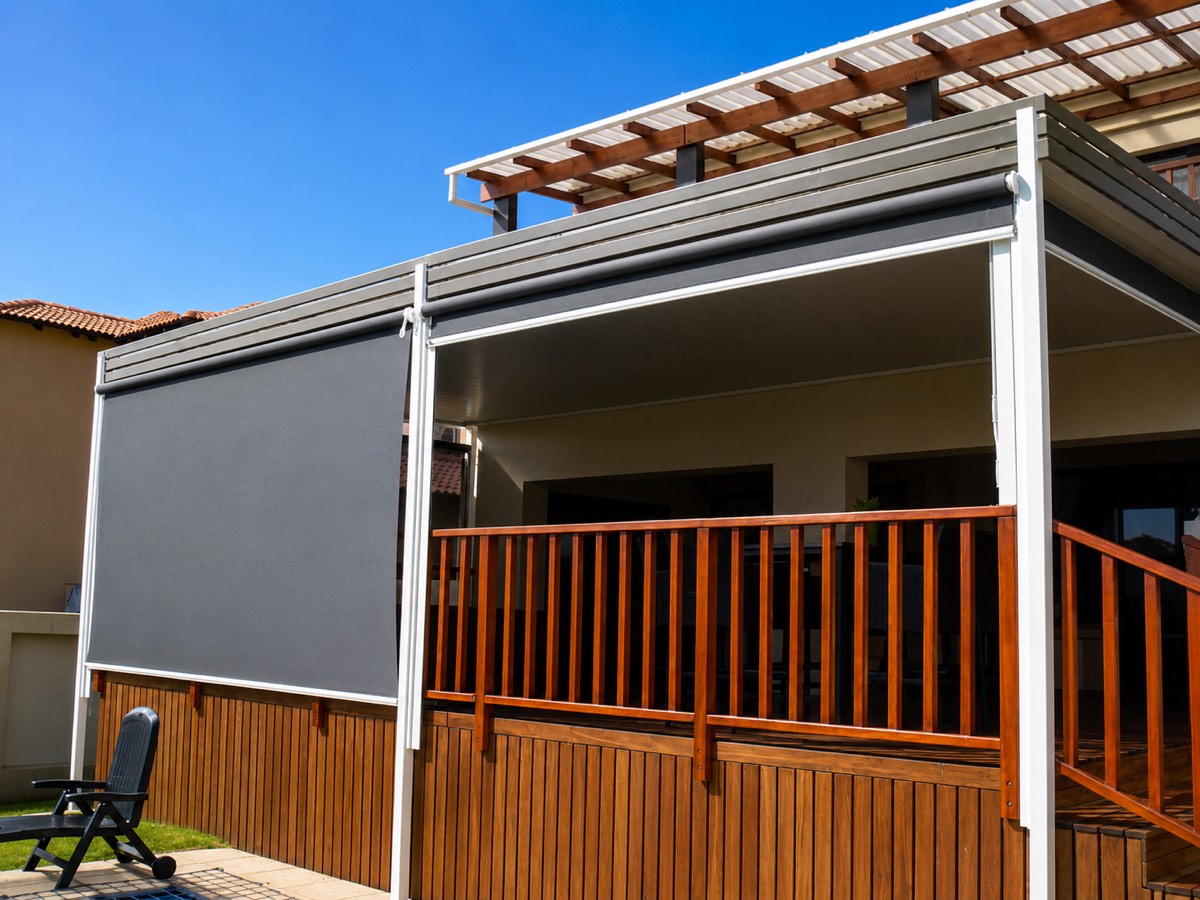
With outdoor blinds
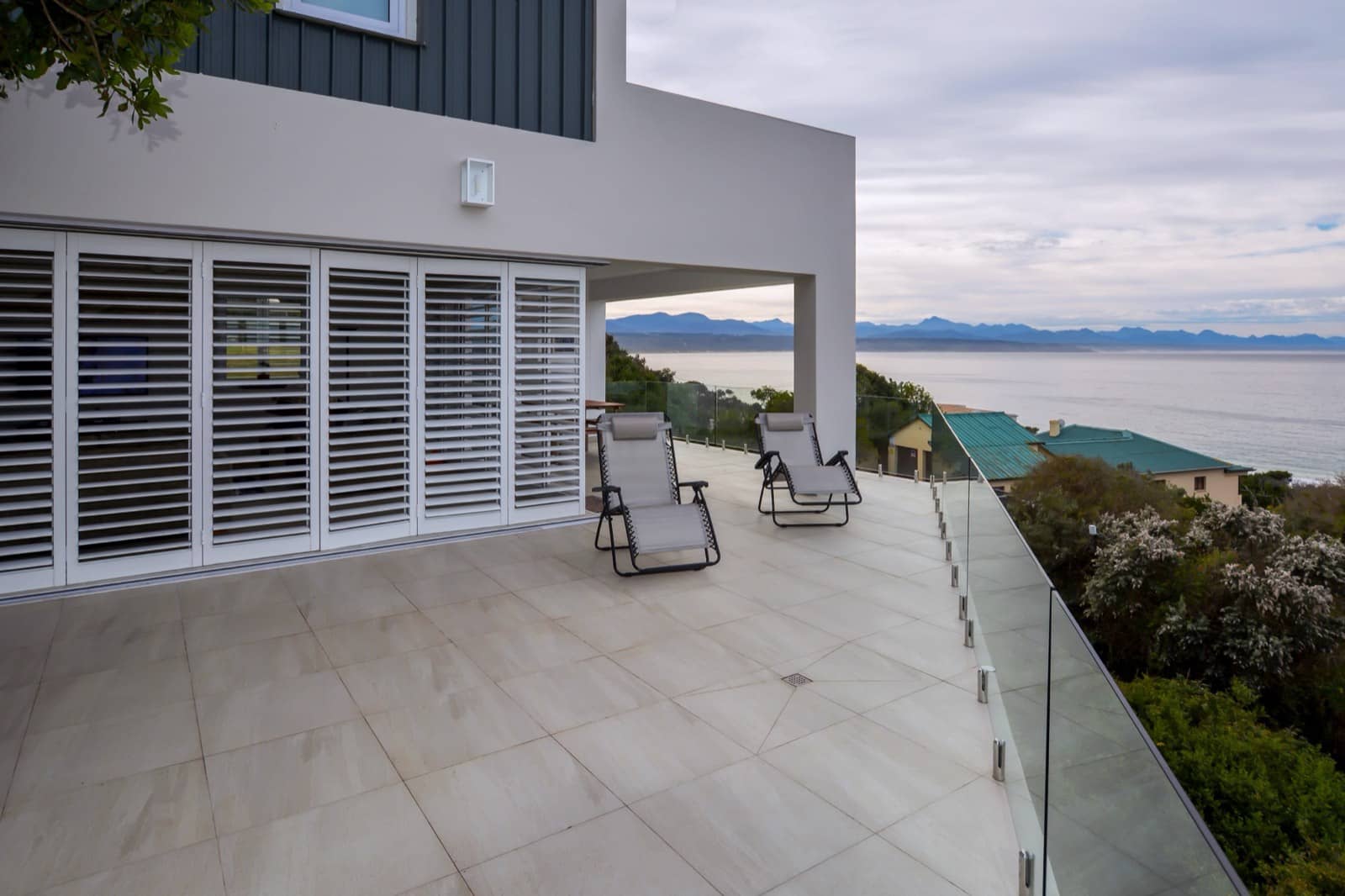
Tracked roller blinds on the open sides give the roof a set of walls that move independently of the blades. A veranda can be sealed against wind or driving rain in well under a minute.
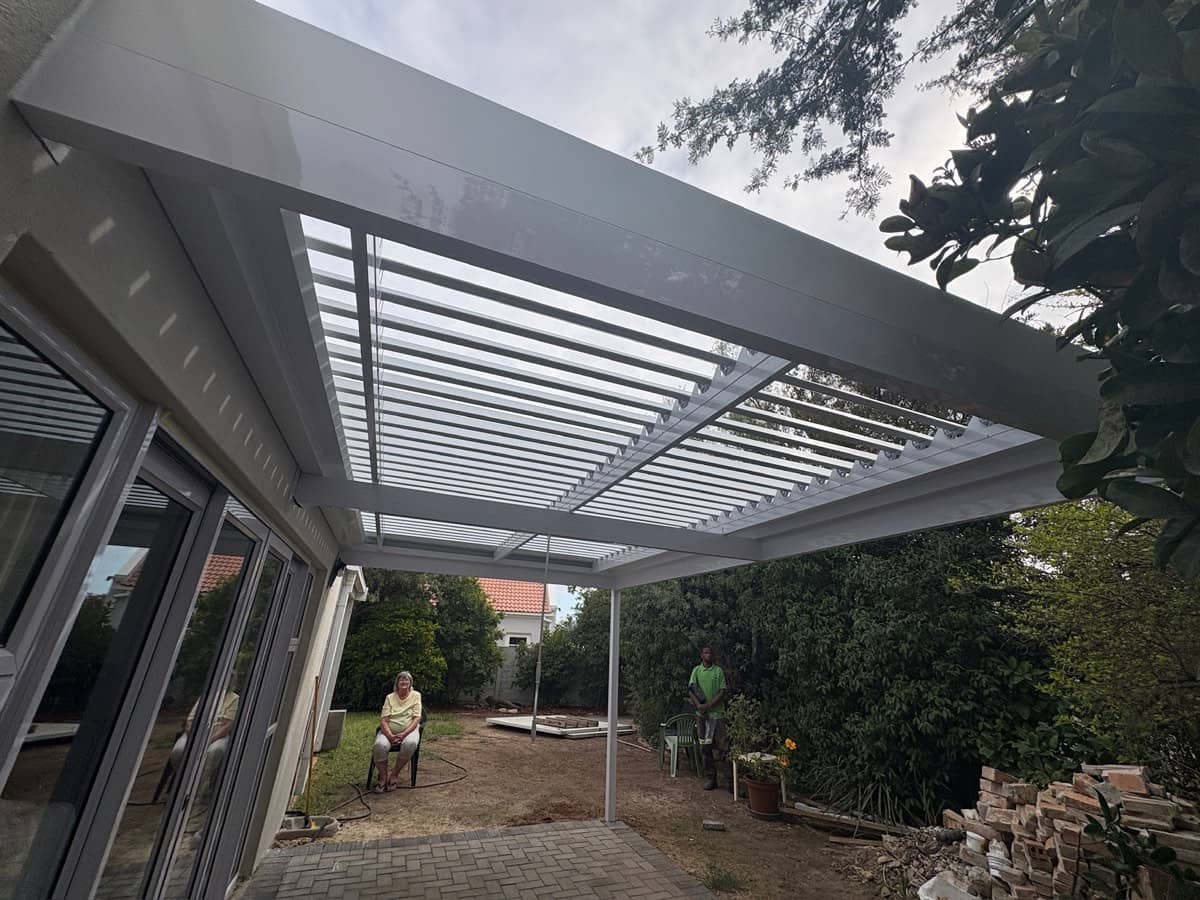
Attached or freestanding
Mount the frame against the house on slim aluminium posts, or let it stand alone over a pool deck or braai area. Large spans join several bays on shared posts, keeping the blade line unbroken.
What goes into every awning
The standard we build to on every job we hand over.
- Structure
- Marine-grade aluminium extrusion throughout, joined with stainless steel fasteners. The assembly contains no ferrous metal, so rust never gets a foothold.
- Blades
- Interlocking aluminium louvres rotating through roughly 150 degrees, overlapping into a weather-shedding surface once closed.
- Water handling
- Rain on closed blades runs to a gutter concealed in the perimeter frame and drains through downpipes hidden inside the posts.
- Finish
- Polyester powder coat specified to coastal salt-air standard wherever the awning goes up. White and charcoal lead the orders; any RAL colour can be specified.
- Operation
- Removable crank, or a 230V motor with remote and optional app control. Rain and wind sensors are available, with every electrical component in an IP65-rated housing.
- Wind loading
- Frames and fixings are engineered for the exposure on each site, from front-line coastal gales to the gusts that funnel through the Winelands.
- Guarantee
- Every installation carries a written guarantee on materials and fitting, documented and registered against your address.
- Quoting
- Site visits are free across our Western Cape service areas, and a fixed written quote follows within 48 hours.
Louvre awning questions
What homeowners ask us before they order.
Where does Urbanshades install louvre awnings?
We install across the Western Cape: Cape Town and the Atlantic Seaboard, the City Bowl, the Southern and Northern Suburbs, Blouberg and the West Coast, the Helderberg, the Cape Winelands and the Overberg. Our own crew does the measuring and the installation, and the Western Cape page carries local photos and contact details.
Are louvre awnings waterproof?
With the blades closed, yes, in any normal downpour. The louvres overlap and shed water into a gutter concealed in the frame. Driving, near-horizontal rain can push a little spray past the edges on very exposed sites, which is where tracked outdoor blinds on the open sides earn their keep.
How do louvre awnings cope with wind?
Well. A louvre awning is a fixed aluminium structure engineered for the exposure of the site it stands on, front-line south-easter or winter cold front, not a fabric awning that has to be rolled away. Motorised units can add a wind sensor that closes the blades on its own above a set speed.
Should I go manual or motorised?
Manual costs less, needs no wiring and suits a smaller patio you adjust a handful of times a day. Motorised makes sense on wide roofs and multiple bays, and it is the only route to rain and wind sensors that look after the blades while you are out.
What do louvre awnings cost?
Each awning is priced for its own site, because span, bay count, operation and access move the figure more than floor area does. A free site visit gives us real measurements, and a fixed written quote reaches you within 48 hours of it.
What maintenance does a louvre awning need?
Hardly any. An occasional rinse keeps the powder coat clean, homes near the sea should rinse more often, and the gutter wants clearing of leaves before the rainy season. Nothing ever needs repainting, sealing or re-tensioning.